Modern homes aren’t just about sleek furniture or open floor plans anymore—they’re about how a space feels. And nothing shapes that feeling quite like lighting. Think about it: the same room can feel warm, luxurious, dramatic, or even dull depending on how it’s lit. That’s where architectural lighting design steps in. It doesn’t just illuminate your home—it enhances every detail, every texture, and every corner.
Today, homeowners are moving beyond basic fixtures and exploring modern home lighting design as a powerful tool to transform their living spaces. Whether you’re upgrading your interior or refining your exterior, the right lighting can boost comfort, increase property value, and elevate your lifestyle. From ambient lighting design to accent lighting techniques, every layer plays a role in creating a cohesive and functional environment.
So, if you’ve ever wondered how lighting can completely redefine your home, you’re in the right place. Let’s break it down and show you how to use architectural lighting to create a home that truly stands out.
Why Architectural Lighting Is a Game-Changer for Modern Homes
Lighting is no longer an afterthought—it’s a core design element. In fact, architectural lighting design is what bridges the gap between structure and style. It highlights architectural details, enhances spatial perception, and creates a visual flow throughout your home.
Moreover, it adds depth and dimension. Without proper lighting, even the most beautifully designed home can feel flat. However, when you incorporate layered lighting—such as ambient lighting design combined with accent lighting techniques—you instantly create a more dynamic and inviting space. As a result, your home doesn’t just look better; it feels more intentional and well-designed.
Transform Interiors with Modern Home Lighting Design
When it comes to interiors, lighting sets the tone for how each room is experienced. A thoughtfully planned modern home lighting design ensures that every space serves its purpose while maintaining aesthetic harmony.
For instance, living rooms benefit from a mix of soft ambient light and focused task lighting. Kitchens, on the other hand, require brighter illumination for functionality, often achieved through LED architectural lighting. Meanwhile, bedrooms thrive on warm, diffused light that promotes relaxation. By layering these elements, you create a balanced environment that adapts to your lifestyle.
Enhance Exteriors with Strategic Outdoor Lighting
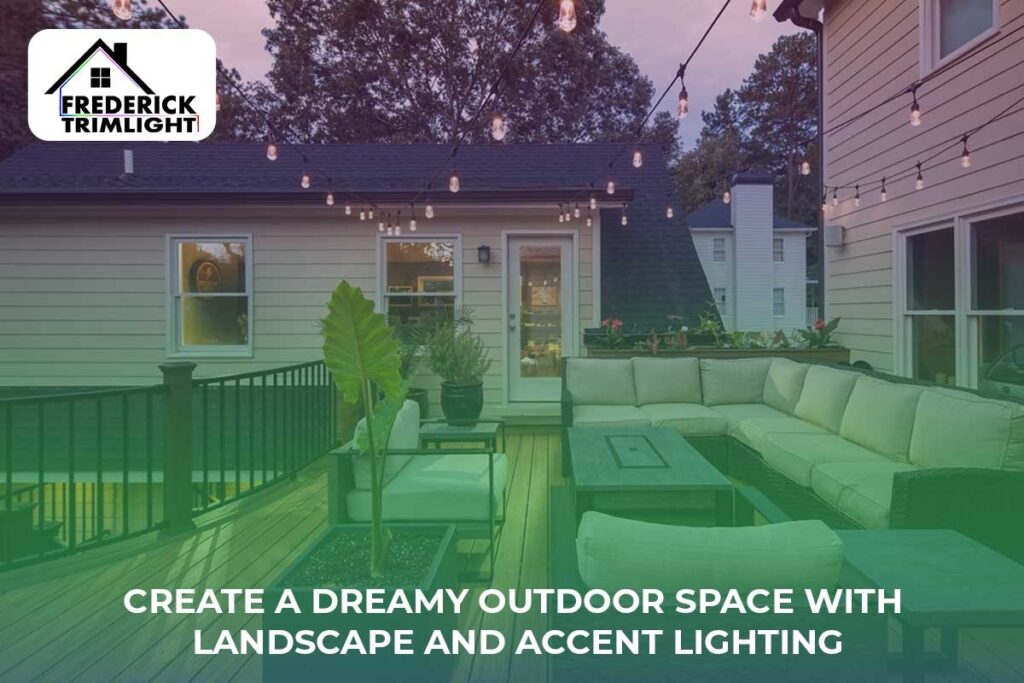
Your home’s exterior deserves just as much attention as the interior. With exterior architectural lighting, you can completely transform how your home looks at night. It’s not just about visibility—it’s about making a statement.
For example, facade lighting design can highlight the structure of your home, emphasizing textures and architectural lines. At the same time, pathway and landscape lighting improve safety and navigation. As a bonus, well-planned lighting significantly boosts lighting for curb appeal, making your home more attractive and welcoming.
LED Architectural Lighting: Efficiency Meets Style
One of the biggest advancements in lighting is the rise of LED architectural lighting. Not only do LEDs offer superior brightness and versatility, but they also consume less energy compared to traditional lighting options.
In addition, LEDs provide greater control over color temperature and intensity. This means you can customize your lighting to match your mood or occasion. Whether you want a cozy warm glow or a crisp modern feel, LEDs make it possible. Plus, their long lifespan makes them a cost-effective solution for homeowners looking to invest in energy efficient lighting.
Smart Lighting Systems for a Smarter Home
Technology has revolutionized the way we interact with our homes. With smart lighting systems, you can control your entire lighting setup with just a tap on your phone or a voice command.
Not only does this add convenience, but it also enhances energy efficiency. For instance, you can schedule lights to turn off automatically or adjust brightness based on the time of day. Furthermore, smart systems allow you to create presets for different moods—whether it’s a movie night, dinner party, or quiet evening at home.
Create Depth with Ambient and Accent Lighting
To truly transform your home, you need more than just overhead lights. This is where ambient lighting design and accent lighting techniques come into play.
Ambient lighting provides overall illumination, ensuring that your space is well-lit and comfortable. Meanwhile, accent lighting draws attention to specific features such as artwork, textured walls, or architectural details. When used together, these layers create depth and visual interest, making your home feel more refined and thoughtfully designed.
Boost Functionality Without Sacrificing Style
A common misconception is that functional lighting can’t be stylish. However, architectural lighting design proves otherwise. It seamlessly combines practicality with aesthetics.
For example, under-cabinet lighting in kitchens improves visibility while adding a modern touch. Similarly, stair lighting enhances safety without compromising design. By integrating lighting into the architecture itself, you achieve a clean and cohesive look that enhances both usability and style.
Increase Home Value and Appeal Instantly
If you’re thinking long-term, investing in lighting is one of the smartest decisions you can make. High-quality architectural lighting design not only improves your living experience but also increases your home’s market value.
Buyers are naturally drawn to homes with well-planned lighting. Features like exterior architectural lighting, smart controls, and energy efficient lighting signal modernity and efficiency. Additionally, enhanced lighting for curb appeal makes a strong first impression, which can significantly impact resale potential.
Common Mistakes to Avoid in Lighting Design
While lighting can transform your home, poor planning can have the opposite effect. One of the most common mistakes is relying on a single light source. This often results in uneven illumination and a lack of depth.
Another issue is choosing the wrong color temperature. For instance, overly cool lighting in living spaces can feel harsh and uninviting. On the other hand, overly warm lighting in work areas can reduce visibility. Therefore, it’s essential to strike the right balance and consider the function of each space.
Final Thoughts:
Architectural lighting is more than just a design trend—it’s a lifestyle upgrade. By combining modern home lighting design, LED architectural lighting, and smart lighting systems, you can create a home that’s not only beautiful but also functional and efficient.
The key is to think beyond basic lighting and embrace a layered approach. Focus on combining ambient lighting design, accent lighting techniques, and exterior architectural lighting to achieve a balanced and cohesive look. When done right, lighting doesn’t just illuminate your home—it transforms it.
So, whether you’re building from scratch or upgrading your current space, now is the perfect time to invest in lighting that truly makes a difference.
FAQs
1. What is architectural lighting design?
It’s the strategic use of lighting to enhance a building’s structure, aesthetics, and functionality.
2. Is LED lighting better for modern homes?
Yes, LED architectural lighting is energy-efficient, long-lasting, and highly versatile.
3. How does lighting improve curb appeal?
Proper facade lighting design and landscape lighting highlight your home’s exterior, making it more attractive.
4. Are smart lighting systems worth it?
Absolutely. They offer convenience, energy savings, and customizable lighting experiences.
5. What’s the difference between ambient and accent lighting?
Ambient lighting design provides general illumination, while accent lighting techniques highlight specific features.
6. Can lighting increase home value?
Yes, modern lighting solutions can significantly boost both appeal and resale value.