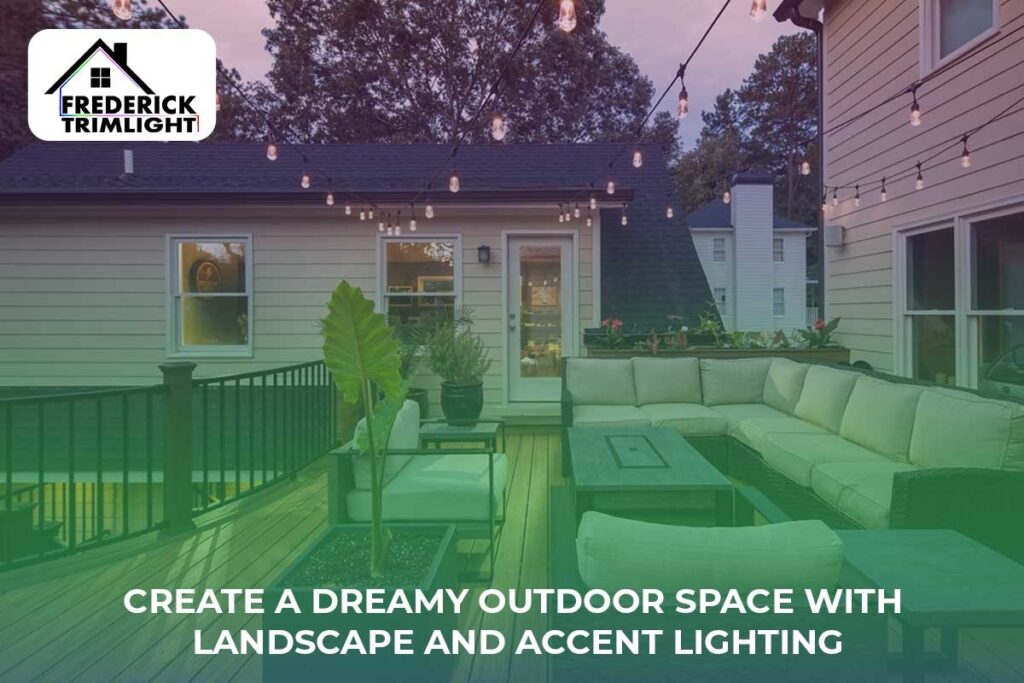
Your home’s exterior makes a first impression long before anyone steps inside. During the day, landscaping, paint colors, architectural details, and the overall condition of your property all contribute to its appearance. However, after sunset, exterior lighting takes on an equally important role. The right lighting can highlight your home’s best features, create a warm and welcoming atmosphere, and give the property a polished appearance at night.
Whether you are preparing your home for guests, considering selling in the future, or simply want to enjoy your property more, a thoughtful exterior lighting plan can make a noticeable difference. You do not need to flood every corner with bright lights. In fact, the most attractive results often come from using light strategically to create depth, highlight important details, and improve visibility.
From permanent LED systems to pathway lighting and smart controls, homeowners have more options than ever. This guide explains how exterior lighting can boost your home’s curb appeal and how you can create a lighting design that looks beautiful, functions well, and works throughout the year.
1. Highlight Your Home’s Best Architectural Features
Every home has features that make it unique. It may be a distinctive roofline, stonework, columns, textured siding, a beautiful entryway, or interesting landscaping. During the day, these details are easy to see. At night, however, they can disappear without the right lighting.
Exterior lighting gives you the opportunity to bring those features back into view. Carefully placed fixtures can emphasize architectural lines and create visual depth. For example, uplighting can draw attention to columns or textured walls, while subtle downlighting can add definition around entrances and covered outdoor spaces.
The key is to choose a few important features rather than trying to illuminate everything. Too many competing lights can make an exterior feel cluttered. Instead, think about where you want the eye to travel when someone looks at your home from the street.
Modern permanent lighting can also blend discreetly into rooflines and architectural elements. This allows your home to maintain a clean appearance during the day while creating a dramatic effect after dark.
2. Create a Warm and Welcoming Entrance
Your front entrance is one of the most important areas for curb appeal. It is where guests arrive, deliveries are made, and family members return home. Good lighting can make this space easier to navigate while also creating a welcoming first impression.
Start by ensuring the doorway is visible without creating harsh glare. Wall-mounted fixtures, subtle architectural lighting, or carefully placed accent lights can help illuminate the entrance. The goal is to make visitors feel invited rather than overwhelmed by an overly bright fixture.
You can also use lighting to guide people naturally toward the front door. Pathway lights, landscape lighting, or low-level fixtures along the approach can create a clear visual route. This combination of beauty and functionality is one of the biggest advantages of a well-designed exterior lighting plan.
3. Add Depth and Dimension to Your Home at Night
A home can look flat in the dark when it is illuminated by a single light source. Layered lighting, on the other hand, creates contrast and depth.
For example, you might use general lighting around the front of the house, accent lighting to highlight a specific architectural feature, and pathway lighting to define the landscape. Each layer serves a different purpose while contributing to a more balanced overall design.
This approach is often more attractive than simply installing a powerful floodlight. Extremely bright lights can create glare and strong shadows, which may actually hide important details.
Instead, use different levels of illumination. Softer background lighting can establish the overall look, while focused fixtures add interest. As a result, your home can appear more dimensional and visually appealing from the street.
4. Make Landscaping Part of the Evening Design
Landscaping plays a major role in curb appeal, so why let it disappear at sunset? Exterior lighting can help extend the beauty of trees, shrubs, flower beds, and other landscape features into the evening.
You do not need to illuminate every plant. Instead, select a few focal points. A mature tree, a distinctive garden feature, or textured landscaping near the entrance may be enough to create visual interest.
Uplighting can reveal the shape and structure of a tree, while softer fixtures can add gentle illumination along garden borders. When used carefully, landscape lighting can create depth between the house and the street.
Additionally, lighting can make your property feel larger at night. By drawing the eye beyond the front facade, you create a sense of visual space and dimension.
5. Use Permanent Outdoor Lighting for Year-Round Appeal
Temporary lighting can look great during holidays and special events, but installing and removing lights repeatedly takes time and effort. Permanent outdoor lighting offers a more convenient alternative for homeowners who want their property to look beautiful throughout the year.
Professionally installed permanent LED lighting can blend into the roofline or other architectural areas when it is not in use. Then, when activated, the system can provide everyday accent lighting or customizable colors and patterns for holidays and celebrations.
This flexibility allows you to create different looks without changing the physical installation. For example, you may prefer warm, subtle lighting for everyday curb appeal and brighter colors for Christmas, Halloween, game days, or family celebrations.
A year-round system can also make your home feel more finished after dark. Instead of thinking about outdoor lighting only during the holiday season, you can enjoy your investment throughout the entire year.
6. Improve Visibility Without Sacrificing Style
Curb appeal is about appearance, but practical visibility also matters. Walkways, driveways, steps, and entrances should be easy to see after dark.
Fortunately, functional lighting does not have to look purely utilitarian. Modern fixtures come in a wide range of styles, allowing homeowners to choose options that complement the architecture of the property.
For example, low-profile pathway lights can define a walkway without becoming a major visual feature. Step lighting can improve safety while blending into decks, walls, or other structures.
When planning your system, focus on balance. Use enough light to improve visibility, but avoid overlighting the property. A well-lit home should feel comfortable, not like a parking lot.
7. Customize Your Lighting for Every Season and Occasion
One of the biggest advantages of modern lighting technology is customization. Programmable systems can allow homeowners to change colors, patterns, and schedules depending on the season or event.
This makes exterior lighting more versatile. Instead of purchasing separate decorations for every occasion, you can adjust your existing system. You might choose patriotic colors for a national holiday, team colors for game day, or a soft, elegant display for a family gathering.
At the same time, everyday lighting should remain timeless. A good system gives you the freedom to be creative when you want while maintaining a sophisticated appearance the rest of the year.
Smart controls can make this process even easier. Depending on the system, you may be able to adjust settings, choose colors, and schedule lighting directly from a compatible device.
8. Boost Evening Curb Appeal With Smart Controls
Smart outdoor lighting adds another level of convenience to exterior design. Instead of manually turning fixtures on and off every night, you can use schedules and automated controls.
For example, your exterior lights can turn on around sunset and switch off at a selected time. This helps maintain a consistent appearance while reducing the chance of leaving lights on unnecessarily.
Smart controls can also give you flexibility when your schedule changes. If you are away from home or hosting an event, you can adjust compatible lighting settings more easily.
The best technology should simplify your life. Therefore, choose a system with controls that you will actually use. You do not need every available feature to create an attractive and functional exterior lighting setup.
9. Choose the Right Color Temperature
Color temperature can significantly affect the way your home looks at night. Warmer light generally creates a softer and more welcoming appearance, while cooler light may create a brighter or more contemporary feel.
There is no single best choice for every property. The right option depends on your home’s exterior materials, architectural style, landscaping, and the atmosphere you want to create.
For instance, warm lighting may complement natural stone, brick, and traditional architectural styles. A more neutral appearance may suit certain modern designs.
The most important thing is consistency. Using dramatically different color temperatures around the same exterior can create a disconnected look. A coordinated lighting plan helps your home feel intentional and visually balanced.
10. Increase the Perceived Value of a Well-Maintained Property
A beautiful exterior can influence how people perceive a property. While lighting alone does not guarantee a specific increase in home value, a thoughtfully designed exterior can improve overall presentation and make the home feel more polished.
Good lighting can highlight the care you have put into landscaping and architectural details. It can also make the property more enjoyable during evening hours, which adds to its everyday usability.
If you are preparing to sell, curb appeal is particularly important because potential buyers often form an initial impression before entering the home. A clean, well-maintained exterior with attractive lighting may contribute to a stronger overall presentation.
For homeowners who are not planning to sell, the benefit is even more personal. You get to enjoy the appearance of your home every evening.
How to Plan Your Exterior Lighting Design
Before purchasing any fixtures, walk around your property after dark. Pay attention to what you can and cannot see. Identify areas that need practical illumination and features that would benefit from accent lighting.
Start with your priorities. These may include the front entrance, driveway, pathways, steps, garage, landscaping, and major architectural details. Then decide how each area should be illuminated.
Try creating a layered design:
- Ambient lighting: Provides overall illumination.
- Accent lighting: Highlights architectural or landscape features.
- Pathway lighting: Defines walking routes and improves visibility.
- Task lighting: Supports specific activities near entrances or outdoor areas.
- Decorative lighting: Adds personality for holidays and special occasions.
Once you have a plan, consider how you want to control the system. Timers and smart controls can make daily operation easier, while permanent programmable lighting can provide flexibility throughout the year.
Common Exterior Lighting Mistakes to Avoid
One of the most common mistakes is overlighting. Adding more fixtures does not automatically create better curb appeal. Too much brightness can produce glare and make the property look harsh.
Another mistake is poor fixture placement. A light aimed directly at a window or into someone’s eyes can be distracting. Test your lighting from multiple viewpoints, including the street, driveway, walkway, and front entrance.
Finally, avoid choosing fixtures without considering the overall architecture. Your lighting should support your home’s style rather than compete with it. A cohesive design often creates a stronger impression than a collection of unrelated fixtures.
Frequently Asked Questions
Can exterior lighting really improve curb appeal?
Yes. Strategic exterior lighting can highlight architectural features, landscaping, entrances, and pathways, helping your property look more attractive and visually interesting after dark.
What areas should I light first?
Start with the front entrance, pathways, steps, driveway, and major architectural features. Then add accent lighting to landscaping or other areas that contribute to your home’s overall appearance.
Is permanent outdoor lighting worth it?
Permanent outdoor lighting can be a convenient option for homeowners who want year-round illumination and customizable settings for holidays and special occasions. The value depends on your property, budget, and lighting goals.
How can I make my home look elegant with outdoor lighting?
Use a layered design, choose a consistent color temperature, avoid excessive brightness, and highlight only the most important architectural and landscape features.
Should exterior lights stay on all night?
This depends on your needs. Timers and smart controls can help you create a schedule that provides illumination when desired without operating lights unnecessarily.
What is the best type of lighting for curb appeal?
The best design usually combines several types, including architectural accent lighting, pathway lighting, entrance lighting, and landscape lighting. The ideal combination depends on your home’s design and property layout.
Final Thoughts
Exterior lighting is one of the most effective ways to transform how your home looks after sunset. From highlighting architectural details to creating a warm entrance and bringing your landscaping to life, the right lighting can add depth, style, and personality to your property.
The secret is thoughtful design. Do not simply add the brightest lights available. Instead, focus on the areas you want to highlight, create layers of illumination, reduce glare, and choose fixtures that complement your home’s architecture.
Whether you want a subtle everyday glow or a customizable system for holidays and special occasions, modern exterior lighting gives you plenty of options. Start planning your exterior lighting upgrade today and give your home the beautiful, eye-catching curb appeal it deserves.