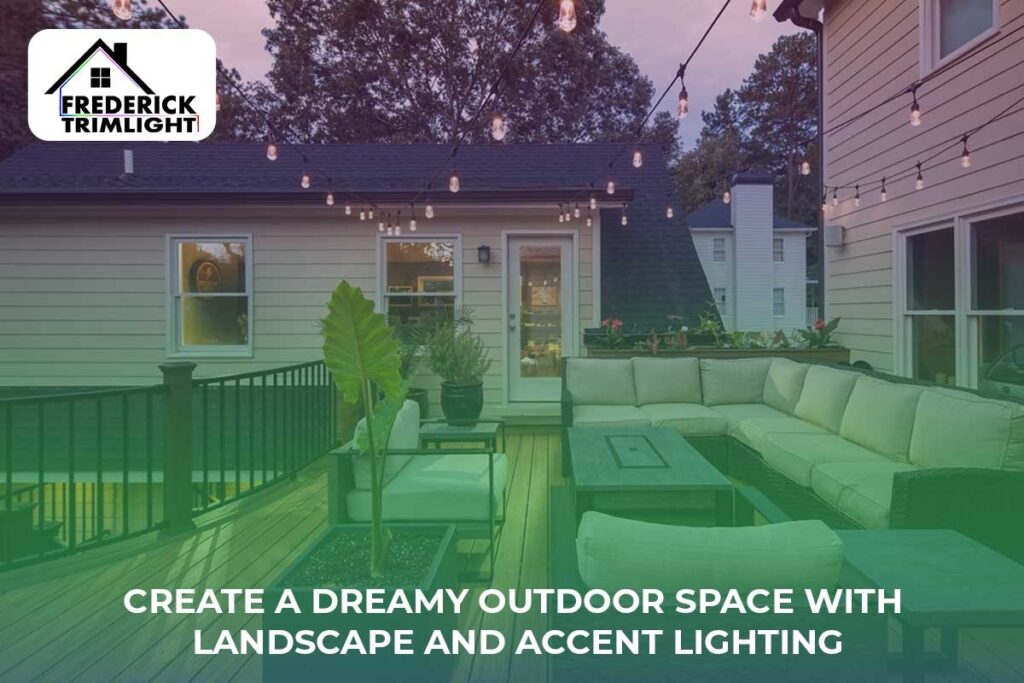
Outdoor lighting has evolved far beyond a few porch lights or temporary Christmas decorations. Today, homeowners are looking for lighting solutions that can improve curb appeal, support outdoor living, enhance visibility, and add personality to their homes throughout the year. Permanent outdoor lighting has become a popular option because it combines these benefits into one long-term system.
Unlike traditional holiday lights that need to be installed and removed every year, permanent outdoor lighting stays in place. The system can be designed to blend with your home’s architecture, while programmable features allow you to change colors, brightness, patterns, and schedules whenever you want.
Whether you’re building a new home, upgrading your exterior, or simply tired of installing holiday lights every season, this guide will help you understand how permanent outdoor lighting works, what benefits it offers, what to consider before installation, and how to choose the right system for your property.
What Is Permanent Outdoor Lighting?
Permanent outdoor lighting is an exterior lighting system designed to remain installed on a property throughout the year. Instead of hanging temporary strands for a specific holiday, the lighting is professionally positioned along rooflines, eaves, patios, landscaping, architectural features, or other areas of the home.
Many modern systems use LED technology. LED lights can provide efficient illumination while offering a wide range of color and control options. Depending on the system, homeowners may be able to manage their lights using an app, remote control, timer, or automated schedule.
During ordinary days, the lights can provide subtle illumination that enhances the home’s appearance. During holidays and special occasions, homeowners can switch to different colors, patterns, or effects.
This makes permanent outdoor lighting much more versatile than traditional holiday lighting.
Why Are Homeowners Choosing Permanent Outdoor Lighting?
One of the biggest reasons homeowners choose permanent lighting is convenience. Installing holiday lights can become a major project, particularly for large homes or properties with complex rooflines.
Every year, homeowners may need to unpack storage boxes, inspect strands, untangle wires, climb ladders, install clips, connect power, and make sure everything works. Once the holiday season ends, the entire process must be reversed.
Permanent lighting eliminates this repeated installation and removal. Once the system is professionally installed, it stays in place. You simply change the settings when you want a different appearance.
For busy homeowners, that convenience alone can make permanent lighting an attractive investment.
1. Improve Your Home’s Curb Appeal
A well-designed lighting system can dramatically change how your home looks after dark. It can highlight architectural details, define rooflines, illuminate landscaping, and create a warm, welcoming entrance.
The goal is not to make your home as bright as possible. Instead, effective architectural lighting uses light strategically to emphasize the features that make your property unique.
For example, subtle illumination along a roofline can give the home a clean outline. Accent lighting can draw attention to stonework or columns, while pathway lighting can guide visitors toward the entrance.
When these elements work together, your home can look polished and inviting throughout the evening.
2. Enjoy Holiday Lighting Without the Hassle
Permanent outdoor lighting is particularly useful during the holiday season. Instead of climbing a ladder every year, you can use your existing system to create a festive display.
Depending on the system, you may be able to select traditional Christmas colors, create alternating patterns, or choose a more subtle look. When the holidays are over, you can switch back to everyday lighting without removing anything.
This means less time spent decorating and more time enjoying the season.
It can also reduce the stress associated with outdoor installation. Homeowners do not have to repeatedly reach high rooflines or deal with tangled strands every winter.
3. Customize Your Lighting for Every Occasion
Christmas is only one reason to use permanent outdoor lighting. A programmable system can adapt to many different events and seasons.
For example, you might use orange lighting for Halloween, customized colors for a birthday, team colors during a sporting event, or elegant white lighting for a dinner party.
You can also create different everyday settings. A soft, warm glow may work well for ordinary evenings, while brighter illumination can be used when entertaining guests.
This flexibility makes permanent lighting a year-round home improvement rather than a seasonal purchase.
4. Take Advantage of Smart Lighting Controls
Smart technology has changed how homeowners interact with their properties. Modern smart lighting systems can make permanent outdoor lighting easier to operate and customize.
Depending on the system, you may be able to control your lights from a smartphone, set schedules, adjust colors, change brightness, or create customized scenes.
For example, you could schedule your lights to turn on around sunset and switch off at a specific time. You might also create a holiday lighting schedule ahead of time.
Lighting control systems can provide another benefit: better management of energy use. Instead of leaving every light on all night, you can create schedules that match your family’s routine.
The best smart system is not necessarily the one with the most features. Choose technology that is easy to use and provides the functions you actually need.
5. Improve Outdoor Living After Dark
Outdoor spaces have become an important part of modern homes. Patios, decks, pergolas, outdoor kitchens, and seating areas can provide comfortable spaces for relaxing and entertaining.
However, these areas can become difficult to use once the sun goes down without adequate lighting.
Permanent outdoor lighting can extend the usefulness of these spaces into the evening. Soft illumination can make a patio feel cozy, while focused lighting can improve visibility around dining or cooking areas.
You can also use accent lighting to highlight landscaping and architectural features surrounding the outdoor living space.
With thoughtful modern exterior lighting, your backyard can become a more enjoyable extension of your home.
6. Support Home Security and Visibility
Lighting can also play a role in outdoor visibility. Illuminating entrances, walkways, driveways, and other areas around the property can make it easier to see what is happening outside after dark.
Permanent lighting should not replace security cameras, alarms, strong locks, or other security measures. However, it can complement them by providing better visibility.
Motion-activated features and scheduled lighting can add additional convenience. For example, selected lights can activate when movement is detected, depending on the system.
A balanced lighting design is usually more effective than simply installing extremely bright lights everywhere. Excessive brightness can create glare and harsh shadows.
7. Use Energy-Efficient LED Technology
Many permanent outdoor lighting systems use LEDs. This technology has become popular because LED fixtures can provide efficient illumination and long service life.
When paired with smart controls, timers, and appropriate brightness levels, an LED system can help homeowners manage energy consumption.
However, energy efficiency depends on the entire lighting design. A poorly planned system can still use unnecessary energy, even when it uses LEDs.
A good approach is to illuminate only the areas that need it. Use lower levels of light where possible and create schedules so the system operates when it provides the most value.
How Permanent Lighting Is Installed
Professional installation typically begins with a property assessment. The installer evaluates the roofline, architecture, electrical requirements, landscaping, and areas where lighting will be most effective.
Next, the system is planned around the home’s design. Installers determine where fixtures, channels, wiring, controllers, and other components should be placed.
The goal is to create a clean appearance during daylight hours while delivering attractive illumination at night.
Professional installation can also help ensure that the system is properly positioned and suitable for outdoor conditions. Because every property is different, a customized approach is generally more effective than a one-size-fits-all installation.
Permanent Lighting vs. Temporary Holiday Lights
Traditional holiday lights have some advantages. They are generally inexpensive to purchase and allow homeowners to completely change the physical layout every year.
However, they require repeated installation and removal. They can also create storage challenges and may require ladders and extension cords.
Permanent lighting costs more upfront but offers year-round functionality. Homeowners can change the appearance without physically reinstalling the lights.
If you decorate every year and value convenience, permanent lighting may provide better long-term value. If you only decorate occasionally or enjoy changing your display completely each season, temporary lights may remain a practical choice.
How to Choose the Right Permanent Lighting System
Before investing, consider your primary goals. Are you mainly interested in holiday decorating, everyday curb appeal, outdoor entertaining, security, or a combination?
Next, consider the lighting style you prefer. Some homeowners want subtle white lighting, while others want extensive color-changing capabilities.
You should also evaluate the control system. Look for an interface that is easy to understand and provides the scheduling and customization options you need.
Finally, consider installation and long-term support. A quality system is only as good as its installation. Ask about product durability, warranties, maintenance, and service before making your decision.
Common Mistakes to Avoid
One common mistake is focusing only on brightness. More light does not automatically create better results. Excessive brightness can cause glare and make the property uncomfortable to view.
Another mistake is ignoring the home’s architecture. Lighting should complement your home’s design rather than distract from it.
It is also important to avoid placing fixtures without considering their effect on neighbors. Properly aimed and shielded lights can reduce unnecessary glare and light spill.
Finally, do not forget about the daytime appearance. Permanent lighting components should ideally blend with the property when they are not illuminated.
Frequently Asked Questions
Are permanent outdoor lights really permanent?
They are designed for long-term installation and remain on the property throughout the year. However, individual components may eventually require maintenance or replacement.
Can permanent outdoor lights be used for Christmas?
Yes. Many programmable systems are specifically designed to provide customizable holiday lighting without requiring seasonal installation.
Can permanent lights change colors?
Many modern systems offer multiple colors, patterns, and effects. Available features depend on the specific product and control system.
Are permanent outdoor lights energy efficient?
Many systems use LED technology, which can offer efficient operation. Scheduling, dimming, and smart controls can further help manage energy use.
Can permanent lighting improve curb appeal?
Yes. Properly designed lighting can highlight rooflines, architecture, landscaping, pathways, and entrances, creating a more attractive appearance after sunset.
How much maintenance does permanent outdoor lighting require?
Maintenance varies by system and installation. Professional systems are designed for outdoor use, but fixtures and controls should still be inspected and serviced when necessary.
Final Thoughts
Permanent outdoor lighting is changing the way homeowners think about exterior illumination. Instead of treating outdoor lighting as something that only matters during the holidays, homeowners can use one flexible system throughout the year.
From improving curb appeal and supporting outdoor living to adding customizable holiday displays and smart controls, permanent lighting offers a combination of style and convenience that traditional temporary lights cannot always provide.